
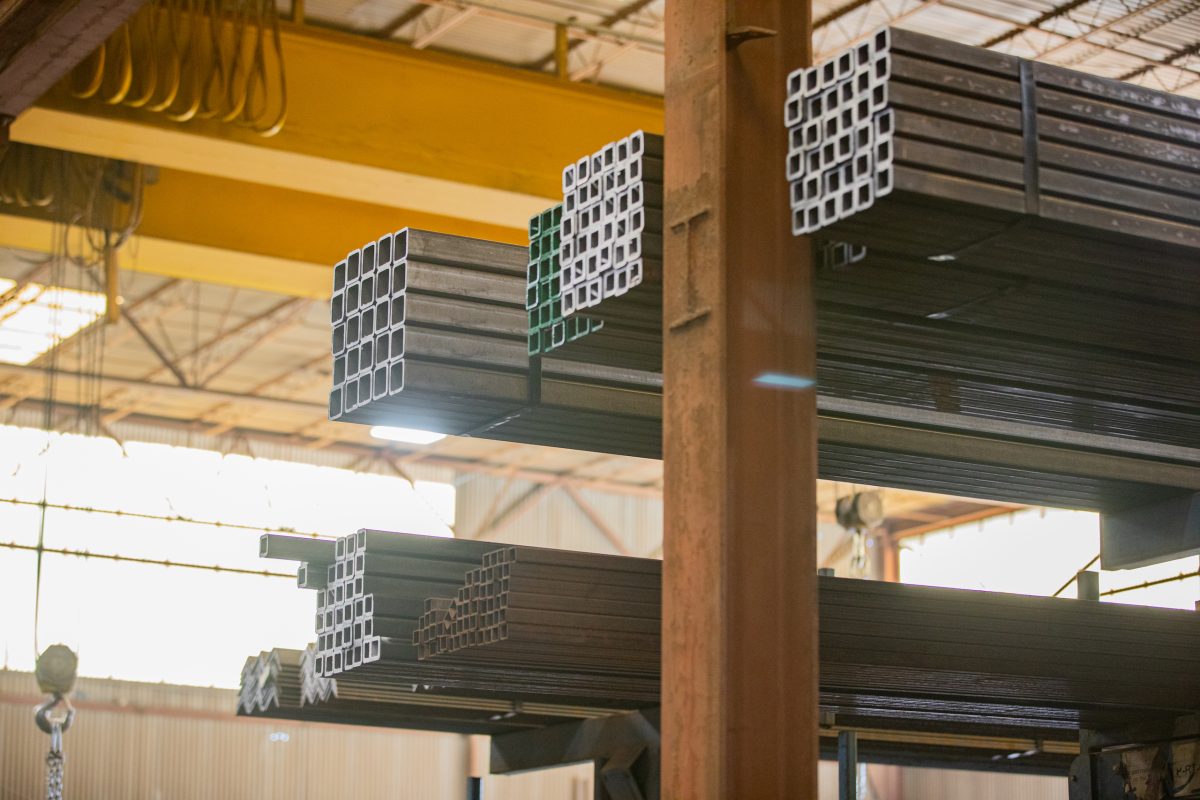
Understanding Steel: A Comprehensive Guide for Construction Projects
Choosing the right type of steel for your construction project is crucial to its success. Steel is a versatile material that comes in different shapes, sizes, and alloys, each with unique properties that affect its performance in different applications. Therefore, selecting the right type of steel requires a good understanding of your project’s needs, budget, and environment. In this article, we’ll explore some tips to help contractors and construction companies choose the right type of steel for their projects.
Identify Your Project Requirements
The first step in selecting the right type of steel is to identify your project’s specific requirements. This includes factors such as the size and weight of the load-bearing structure, the expected load capacity, the environmental conditions, and the aesthetics. For instance, if you’re building a bridge, you’ll need to select high-strength steel that can withstand heavy loads and harsh weather conditions. On the other hand, if you’re constructing a decorative fence, you might prioritize getting steel that has a polished appearance and resists rust when making your selection.
Consider the Properties of Different Steel Alloys
Once you’ve identified your project requirements, you can start looking at the different types of steel alloys available. Steel alloys are a combination of iron and other elements, such as carbon, manganese, and nickel, that give steel its unique properties. For example, carbon steel is an affordable and durable option that can be used for a wide range of applications, while stainless steel offers excellent corrosion resistance and is ideal for projects that will be exposed to moisture and chemicals.
Carbon Steel
Carbon steel is an alloy that contains varying amounts of carbon, depending on the grade. It is one of the most commonly used materials in construction due to its durability, strength, and affordability. Carbon steel can be used in a wide range of applications, from bridges and buildings to pipes and rail tracks.
Stainless Steel
Stainless steel is an alloy that contains at least 10.5% chromium, which gives it excellent resistance to corrosion and staining. It is commonly used in applications where hygiene and cleanliness are important, such as hospitals, kitchens, and food processing plants. It is also used in outdoor environments where exposure to moisture and chemicals can cause corrosion.
Alloy Steel
Alloy steel is an umbrella term for a range of steel alloys that contain elements such as manganese, nickel, and chromium. The addition of these elements enhances the strength, hardness, and toughness of the steel, making it ideal for applications such as construction machinery, tools, and pipelines.
Tool Steel
Tool steel is a type of alloy steel that is specifically designed for the production of tools and dies. It is known for its high hardness, abrasion resistance, and toughness, which make it ideal for applications such as cutting and shaping materials.
Hot-Rolled vs. Cold-Rolled Steel: What You Need to Know
In addition to considering the different types of steel alloys, it’s essential to understand the distinction between hot-rolled and cold-rolled steel. These are two common processing methods that can significantly impact the properties of the steel.
Hot-rolled steel is processed at high temperatures, making it easier to form and shape. It is typically less expensive than cold-rolled steel and is often used in applications that don’t require precise dimensions or a smooth surface finish. However, hot-rolled steel may have a rough surface texture and may not be suitable for projects that require tight tolerances.
On the other hand, cold-rolled steel is processed at room temperature, resulting in a smoother and more refined surface finish. It is more expensive than hot-rolled steel but offers higher dimensional accuracy and improved mechanical properties. Cold-rolled steel is commonly used in applications where precision and a polished appearance are essential.
For a more in-depth comparison between hot-rolled and cold-rolled steel, check out our full article here.
Evaluate the Cost and Availability
Another crucial factor to consider when selecting the right type of steel for your project is the cost and availability. Steel prices can vary widely depending on the type of alloy, the market demand, and the volume purchased. It’s essential to choose a steel that fits your budget without compromising on quality or safety. Additionally, you’ll want to ensure that the steel you choose is readily available in your area to avoid delays or extra shipping costs. Request a quote to check availability and pricing for your project.
Consult with Experts
Finally, if you’re unsure about which type of steel is best for your project, don’t hesitate to consult with experts in the field. Steel suppliers, engineers, and contractors have extensive experience with steel selection and can provide valuable insights and advice on the right type of steel for your specific needs.
At Huntington Steel, we have a team of experts who can guide you through the steel selection process. We offer a wide range of steel alloys, including carbon, stainless, and weathering steel, as well as custom fabrication services. Our team can help you identify the best steel alloy for your project, taking into account your specific requirements and budget.
Selecting the right type of steel for your construction project requires careful consideration of your project’s requirements, the properties of different steel alloys, the cost and availability, and the advice of experts. By following these tips and consulting with a reputable steel supplier like Huntington Steel, you can ensure that your project uses the right steel for the job, leading to a successful and long-lasting construction project.

100 3rd Ave, Huntington, WV
304.522.8218
sales@huntingtonsteel.com
Recent Comments